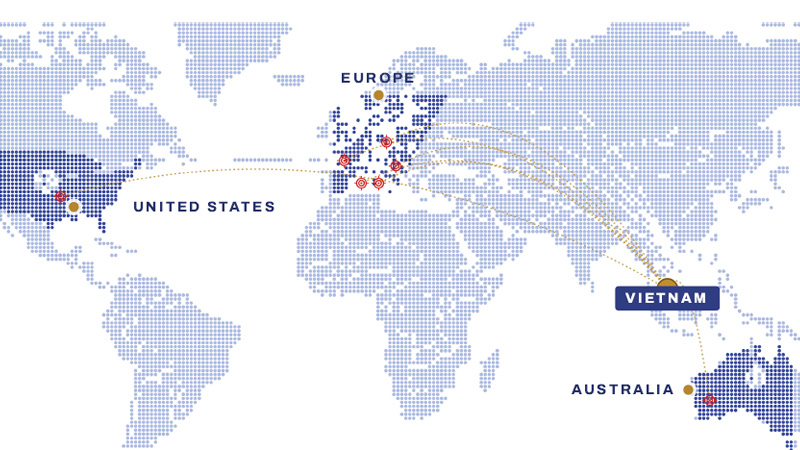
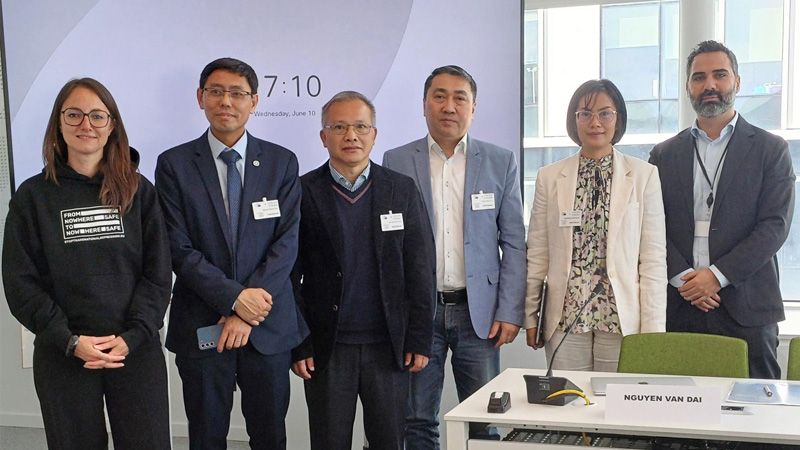
Brussels, June 10, 2026 – As Vietnamese authorities intensify their efforts to silence critical voices beyond the country’s borders, the European Parliament hosted a conference dedicated to transnational repression carried out by the Hanoi regime. Co-organized by Members of the European Parliament Saskia Bricmont and Jonas Sjöstedt together with Viet Tan, the event brought together direct victims, experts, international organizations, and human rights advocates to raise awareness among European policymakers about a growing threat to fundamental freedoms.
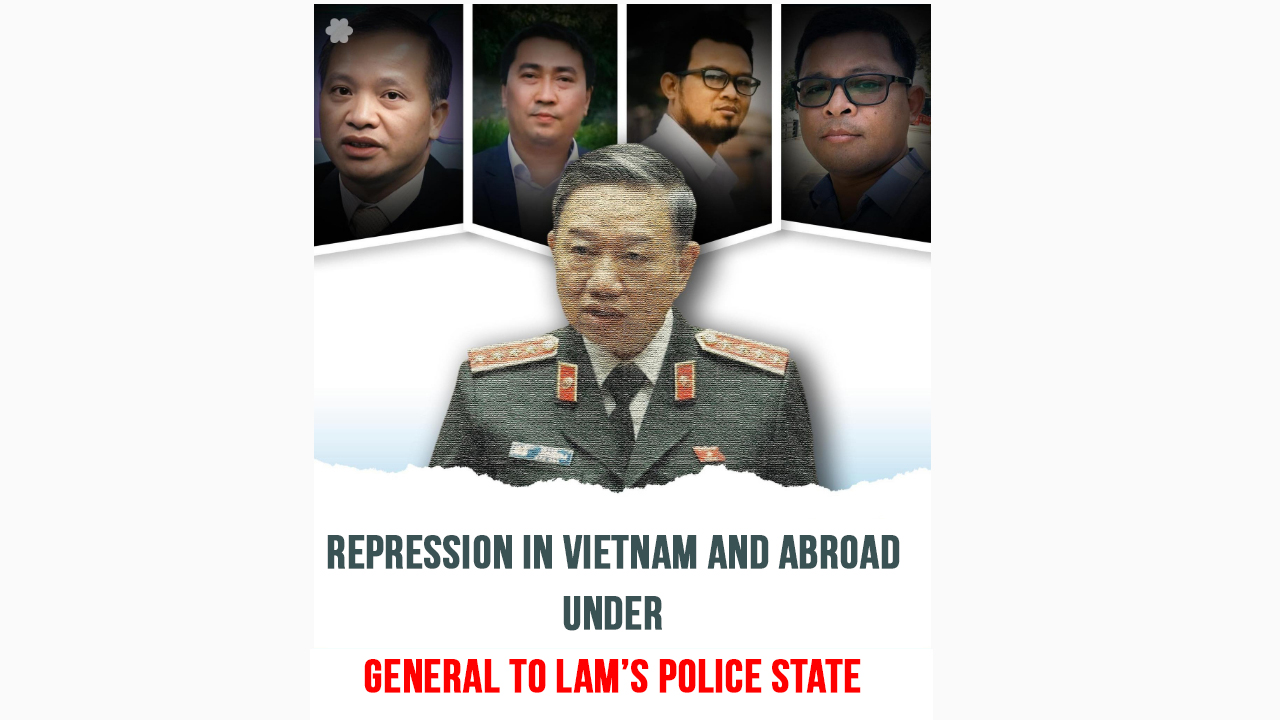
The conference opened with a screening of the documentary The General: Vietnam Under To Lam’s Era. The film traces Vietnam’s increasingly authoritarian trajectory and highlights several emblematic cases of transnational repression. Prior to the screening, Vietnamese authorities reportedly attempted to pressure the organizers into canceling the event by invoking alleged copyright concerns. Rather than discouraging the organizers, these intimidation attempts only strengthened the determination of the two Members of Parliament to proceed with the screening.

In his opening remarks, Jonas Sjöstedt recalled his personal connection to Vietnam, where he lived for four years while his wife served as Sweden’s ambassador in Hanoi. While expressing his affection for the country and its people, he also emphasized the political reality of Vietnam as a one-party state where fundamental freedoms remain severely restricted. “This country and its people deserve to live in a genuine democracy where human rights are fully respected,” he stated.
The testimonies that followed provided concrete illustrations of the methods used by Vietnamese authorities to pursue and intimidate critics abroad.
German-Vietnamese journalist Le Trung Khoa explained how he became a primary target of the regime after exposing the 2017 abduction of Trinh Xuan Thanh in Berlin by Vietnamese agents. In December 2025, he was sentenced in absentia to 17 years in prison for “conducting propaganda against the state” under Article 117 of Vietnam’s Penal Code. Long used to imprison dissidents within Vietnam, this provision is now increasingly being applied against political exiles living in democratic countries. Today, Le Trung Khoa lives under permanent police protection in Germany.
Human rights lawyer Nguyen Van Dai also addressed the audience. He too was sentenced in absentia to 17 years in prison in December 2025 under Article 117. This sentence comes on top of a previous prison term imposed before his exile, bringing the total punishment he faces to more than 30 years. In his remarks, he urged the European Union to make transnational repression a priority issue in its relations with Vietnam. He called for the creation of a European monitoring and reporting mechanism, targeted sanctions against those responsible, enhanced protection measures for individuals at risk, and greater transparency from technology companies regarding censorship requests originating from authoritarian governments.
The third speaker, Thai lawyer Nadthasiri Bergman, spoke about the case of her client Y Quynh Bdap, a Montagnard activist who was arrested in Thailand and subsequently returned to Vietnam, where he is currently serving a ten-year prison sentence. Vietnamese authorities accuse him of involvement in a 2023 attack on a police station in Dak Lak Province. Y Quynh Bdap has consistently denied the allegations, maintaining that he was in Thailand at the time of the incident.
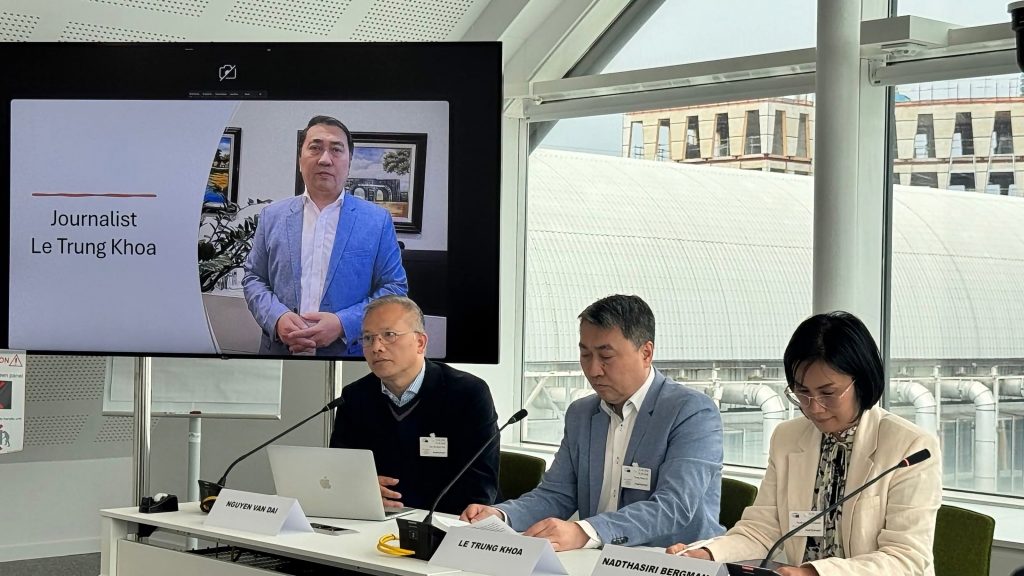
Ms. Bergman condemned what she described as serious irregularities in the judicial process. Following the attack, mass arrests targeted predominantly Montagnard individuals. According to her, confessions obtained without legal representation during a four-day trial were later used to convict Y Quynh Bdap in absentia, thereby providing the legal basis for the extradition request. “I say clearly that this was a refoulement, a violation of Thailand’s anti-torture law, and an act of transnational repression carried out through the courts,” she stated.
She also called on European diplomats and elected officials to visit Y Quynh Bdap in prison. According to Ms. Bergman, international attention remains one of the strongest safeguards for his physical safety and well-being. “A visit significantly enhances his security and sends a message to those still in detention that someone is watching,” she emphasized.
Following the testimonies, Claudio Francavilla of Human Rights Watch moderated a discussion with representatives from the Office of the United Nations High Commissioner for Human Rights (OHCHR), the European External Action Service (EEAS), and several human rights organizations, including FIDH. For confidentiality and security reasons, the content of that discussion has not been made public.
Michel Tran Duc then presented Viet Tan’s latest report on Vietnamese transnational repression. The report identifies ten methods used by Vietnamese authorities to target critics abroad, including threats against family members remaining in Vietnam, smear campaigns, surveillance, abuse of international legal mechanisms, diplomatic pressure, online harassment, denial of consular services, and, in some cases, abductions or attempted abductions. Each method is illustrated through documented case studies.
Closing the conference, Saskia Bricmont reaffirmed her longstanding commitment to supporting Vietnamese human rights defenders. Referring to the attempts to prevent the documentary screening, she remarked: “They dare to do this to Members of the European Parliament, here in Belgium. Imagine what they can do to defenseless individuals.”
According to Ms. Bricmont, yielding to such intimidation would only encourage authoritarian regimes to expand their unlawful activities on European soil. “For many years, when we spoke about protecting human rights defenders, we thought about distant countries. Today, that protection must also be ensured here, on European soil,” she said.
Ms. Bricmont also highlighted the European Parliament’s upcoming vote on June 16, 2026, on a report addressing transnational repression. The report seeks to define the phenomenon, identify states that engage in such practices, strengthen protections for victims residing in Europe, and close legal loopholes that authoritarian regimes exploit to pursue peaceful political activists.
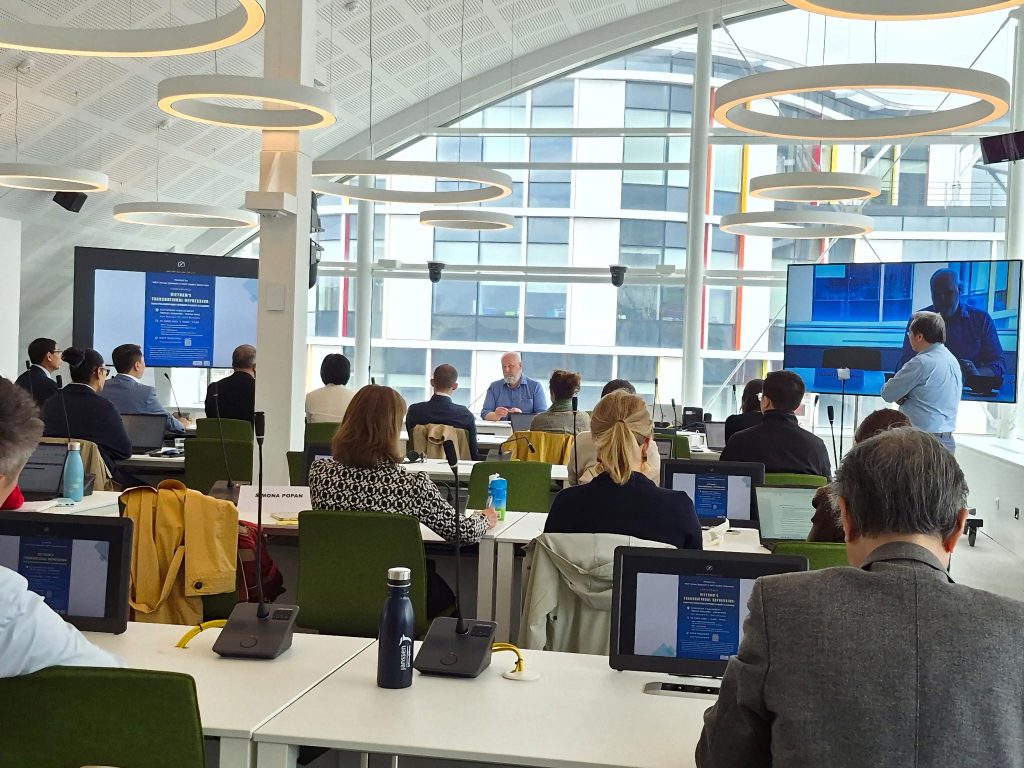
For Viet Tan, this conference marks an important step toward greater international recognition of the transnational repression carried out by the Vietnamese regime. For many years, Viet Tan itself has been subjected to defamation campaigns, intimidation, and criminalization efforts orchestrated by Vietnamese authorities. Numerous members, supporters, and partners have been targeted for their peaceful advocacy on behalf of democracy and human rights.
Faced with this growing threat, Viet Tan reaffirms its solidarity with all victims of transnational repression, including journalists, lawyers, human rights defenders, democracy activists, refugees, and members of ethnic minority communities. The organization will continue its work documenting abuses, raising public awareness, and engaging policymakers in democratic countries to ensure that those responsible for these violations are held accountable.
Transnational repression is not only an attack on the individuals directly targeted; it is also an assault on the sovereignty of democratic states and the fundamental freedoms they are obligated to protect. The testimonies heard at the European Parliament underscore the urgency of a coordinated and determined international response to put an end to this practice.
The conference was livestreamed via Webex, allowing human rights organizations around the world to follow the discussions and testimonies remotely and participate in this growing international effort to confront transnational repression.