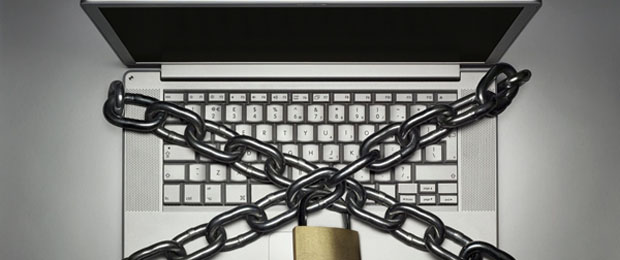
Dự luật sẽ chấm dứt việc ẩn danh trên mạng, buộc các công ty internet ngoại quốc phải kiểm duyệt
Tổ chức “Phóng Viên Không Biên Giới” kêu gọi chính quyền Việt Nam hãy hủy bỏ ngay nghị định khiến cho việc kiểm duyệt mạng gia tăng tới mức không thể chấp nhận được và làm cho tình trạng tự do ngôn luận đáng lo ngại trở nên trầm trọng hơn.
Theo những thông tin được cung cấp bởi Việt Tân, một tổ chức đấu tranh dân chủ đang bị cấm ở Việt Nam, và sau kiểm chứng của RSF nơi nhiều nguồn khác, nhà cầm quyền [Việt Nam] chuẩn bị công bố, vào tháng 6/2012, một “Nghị Định về quản lý, cung cấp và sử dụng các dịch vụ internet và nội dung thông tin trên mạng”, để bổ sung cho cả một kho luật pháp đã được áp dụng để đối phó với những tiếng nói bất đồng chính kiến. Văn bản này được biên soạn với những lời lẽ cố ý mơ hồ để nhà cầm quyền tùy tiện diễn giải, tăng cường việc kiểm duyệt mạng internet và kiểm soát những người sử dụng internet bằng cách dựa trên sự hợp tác của các xí nghiệp trong lãnh vực internet, nhất là các xí nghiệp nước ngoài. Google và Facebook là những công ty ngoại quốc có thể bị ảnh hưởng.
Ký Giả Không Biên Giới kêu gọi nhà cầm quyền Việt Nam hãy từ bỏ dự án này, vì nó sẽ làm trầm trọng hơn tình trạng hiện đã rất đáng lo ngại của tự do ngôn luận ở trong nước. Trong trường hợp này, nghị định sẽ quy án tội ác cho mọi hành động biểu hiện sự bất đồng chính kiến trên mạng cũng như mọi hành động thông truyền tin tức không đi theo đường lối chính thống do đảng cộng sản đã ấn định, và phát triển việc trao cho tư nhân quyền kiểm duyệt. Song song, nhà cầm quyền tìm cách ngăn cản các ký giả, các bloggers và đặc biệt là các cư dân mạng, đảm trách vai trò thông tin một cách an toàn nhờ dùng biệt hiệu.
Ký Giả Không Biên Giới yêu cầu các xí nghiệp khai thác Web có liên quan, hãy đề kháng lại sức ép của nhà cầm quyền đang tìm cách biến họ thành những tòng phạm của nạn kiểm duyệt. Bằng cách bắt buộc họ phải thiết trí máy chủ và các trung tâm dữ kiện trong nước, nghị định này có thể ép họ thiết lập những hệ thống thanh lọc và tự kiểm duyệt, và tiết lộ những thông tin của những người sử dụng và các dịch vụ của họ.
Tổ chức RSF mong muốn lưu ý chính quyền Việt Nam là những dự kiến mới này có thể mang lại những hậu quả tiêu cực cho nền kinh tế. Khi tạo ra những hạn chế mới đối với sự vận hành của các xí nghiệp khai thác Web, chính những hạn chế này sẽ làm chậm lại sự tăng trưởng của một khu vực lợi nhuận cao của nền kinh tế, nhất là, nếu những xí nghiệp này bị ép buộc phải chấm dứt các dịch vụ họ vẫn cung cấp cho người Việt Nam sử dụng internet chỉ vì những điều kiện quá khắt khe này.
Mặt khác, khi tạo ra những rào cản thương mại, nghị định này có thể đi ngược lại những cam kết của Việt Nam với Tổ Chức Thương Mại Thế Giới (WTO) hay với Đối Tác Xuyên Thái Bình Dương (TPP), hiện đang trong vòng đàm phán giữa nhiều quốc gia, trong đó có Việt Nam và Hoa Kỳ.
Ở thời điểm này nghị định bao gồm như sau:
- bắt buộc những người sử dụng internet phải dùng tên thật;
- cấm các người sử dụng internet không được “lợi dụng internet” để chống chính phủ, công bố những thông tin bí mật của chính quyền, phổ biến những thông tin mang tính vu khống;
- ép buộc các xí nghiệp liên quan đến Mạng (facebook, blogs, diễn đàn hội thoại, chat, vv…), và nếu đặt căn cứ ở nước ngoài, phải hợp tác với chính quyền Việt Nam và chuyển giao cho họ những thông tin để quản lý những hoạt động bị nghị định này nghiêm cấm. Các xí nghiệp này có thể bị ép buộc phải thiết trí các trung tâm dữ kiện của họ ở trong nước và phải mở văn phòng đại diện ở Việt Nam;
- bắt buộc tất cả các miền thông tin phải được chính thức chấp thuận bởi chính quyền và tuân thủ luật báo chí hiện hành. Những người quản lý của họ phải thông báo cho chính quyền những hoạt động phi pháp. Những người trách nhiệm blogs “cá nhân” sẽ phải công bố tên tuổi và những người tiếp xúc và phải chịu trách nhiệm về nội dung công bố.
Nhằm đề phòng mọi nỗ lực gây bất ổn theo đà của các cuộc cách mạng Ả-rập, chính quyền đã gia tăng các biện pháp đàn áp và kiểm soát trong những tháng gần đây, nhất là việc theo dõi và bắt giam, cũng như gia tăng kiểm duyệt mạng. Việt Nam hiện đang nằm trong danh sách các nước “thù nghịch với Internet” do RSF thiết lập. Mười tám cư dân mạng hiện đang bị giam cầm chỉ vì phát biểu tự do trên mạng, đã biến Việt Nam thành nhà tù thứ 3 trên thế giới dành cho bloggers và những nhà đối kháng trên mạng, sau Trung Quốc và Iran.
Mai Khôi phỏng dịch
Draft Decree Would End Online Anonymity, Force Foreign Internet Firms To Censor
Reporters Without Borders calls on the Vietnamese authorities to abandon plans for a decree that would increase online censorship to an utterly unacceptable level and exacerbate the already very disturbing situation for freedom of expression in Vietnam.
According to information provided by the banned pro-democracy movement Viet Tan, which Reporters Without Borders has verified with various sources, the government intends to issue the decree in June. Entitled “Decree on the Management, Provision, Use of Internet Services and Information Content Online,” it would reinforce the already considerable legislative arsenal deployed against dissidents.
Using a deliberate vague language that would allow arbitrary interpretation, the current draft of the decree suggests that the government wants to pressgang Internet companies, including foreign ones, into helping it to reinforce online censorship and control of Internet users. Google and Facebook could be among the foreign companies affected.
As well as developing the privatization of censorship, it could criminalize any expression of dissident views and reporting of news that strays from the Communist Party official line. It also seeks to prevent journalists, bloggers and netizens from using the protection of pseudonyms when reporting online.
Reporters Without Borders urges the Internet companies concerned to resist the government’s pressure to turn them into the accomplices of its censorship. By making them locate servers and data centres in Vietnam, the decree could force them to install filtering and self-censorship systems and to reveal information about their Vietnamese users.
Reporters Without Borders would also like to point out to the Vietnamese government that the proposed new provisions could have a negative impact on the economy. Imposing restrictions on the operations of Internet companies could slow growth in a sector that is important for the economy, especially if foreign companies were forced to terminate the services they provide to Vietnamese users because of the draconian conditions imposed.
By creating trade barriers, the decree could also be odds with the undertakings that Vietnam has given to the World Trade Organization and the Trans-Pacific Partnership which is currently being negotiated between several countries including Vietnam and the United States.
In its current form, the proposed decree would:
- Force Internet users to use their real names. Ban Internet users from “abusing the Internet” to oppose the government, reveal confidential government information or spread defamatory information.
- Force foreign companies that provide online services such as social networking, blogging, discussion forums and chat to cooperate with the Vietnamese government and provide it with the information it needs to crack down on activities banned by the decree. It could also force them to locate data centres in Vietnam and open offices there.
- Make all news websites subject to government approval and force them to comply with existing media laws. Website administrators would have to report any banned online activities to authorities. Those responsible for “personal” blogs would have to post their names and contact information and would be held accountable for the content they posted.
- In order to head off any destabilization attempts in the wake of the Arab spring, the government has reinforced repressive measures and controls in recent months, relying above all on surveillance and arrests, as well as increased online filtering.
Vietnam is on the Reporters Without Borders list of “Enemies of the Internet”. With a total of 18 netizens currently detained for expressing their views freely online, it is the world’s third biggest prison for bloggers and cyber-dissidents, after China and Iran.
Projet De Décret Dangereux Pour Le Web: Fin De L’anonymat En Ligne Et Enrôlement Des Entreprises Étrangères Dans La Censure?
Reporters sans frontières voit dans le projet de décret actuellement à l’étude au Vietnam un renforcement inacceptable de la censure en ligne. D’après les informations fournies par le mouvement pro-démocratie Viet Tan, interdit au Vietnam, et après vérification par Reporters sans frontières auprès de plusieurs sources, le gouvernement s’apprêterait à publier, en juin 2012, un décret, intitulé “Décret sur le management, la provision et l’utilisation de services internet et de contenus d’information en ligne”, qui viendrait compléter l’arsenal législatif déjà utilisé contre les voix dissidentes. La version actuelle du texte, rédigée dans un langage volontairement vague et sujet à une interprétation arbitraire par les autorités, renforce la censure du Web et le contrôle des internautes en s’appuyant sur les entreprises du secteur d’Internet, notamment étrangères. Google et Facebook, entre autres, pourraient être affectés.
Reporters sans frontières exhorte les autorités vietnamiennes à renoncer à un tel projet, qui viendrait aggraver la situation déjà très préoccupante de la liberté d’expression dans le pays. A ce stade, le décret criminalise toute action d’expression de dissidence en ligne ou d’information qui s’écarte de la ligne officielle définie par le Parti communiste. Et développe la privatisation de la censure. Parallèlement, les autorités cherchent à empêcher les journalistes, les blogueurs et les net-citoyens, en particulier, de remplir un rôle d’information grâce à la protection fournie par l’utilisation de pseudonymes.
Reporters sans frontières demande aux entreprises du Web concernées de résister aux pressions des autorités qui cherchent à les rendre complices de la censure. En les obligeant à installer leurs serveurs et centres de données dans le pays, ce décret pourrait les forcer à mettre en place des systèmes de filtrage et d’autocensure, et à révéler des informations sur les utilisateurs de leurs services.
L’organisation souhaite attirer l’attention du gouvernement vietnamien sur le fait que les nouvelles dispositions auraient des conséquences négatives pour l’économie. En créant de nouvelles restrictions pour le fonctionnement des entreprises du Web, elles pourraient ainsi ralentir la croissance d’un secteur porteur pour l’économie, d’autant plus si ces entreprises sont forcées de mettre un terme aux services qu’elles fournissent aux internautes vietnamiens en raison de ces conditions trop drastiques.
Par ailleurs, en créant des barrières commerciales, ce décret pourrait être en porte-à-faux avec les engagements pris par le Vietnam auprès de l’Organisation mondiale du commerce ou du Trans Pacific Partnership (TPP), actuellement en négociation entre plusieurs pays, dont le Vietnam et les Etats-Unis.
A ce jour, le décret:
- rendrait obligatoire l’utilisation, par les internautes, de leurs véritables noms;
- interdirait aux internautes d’”abuser d’Internet” pour s’opposer au gouvernement, de rendre public des informations gouvernementales confidentielles, et de diffuser des informations diffamatoires;
- obligerait tous les sites d’information à être officiellement approuvés par les autorités et à se conformer aux lois sur la presse existantes. Leurs administrateurs devront informer les autorités d’activités illégales. Les responsables de blogs “personnels” devront publier leurs noms et contacts et seront tenus responsables des contenus publiés.
forcerait les entreprises liées au secteur du Net (réseaux sociaux, plateformes de blogs, forums de discussion, chat, etc), et basées à l’étranger, à coopérer avec le gouvernement vietnamien et à lui transmettre des informations pour gérer les activités interdites par le décret. Elles pourraient être forcées d’installer leurs data centers dans le pays et d’ouvrir un bureau au Vietnam;
Dans le contexte du printemps arabe, le gouvernement a accru, ces derniers mois, la répression et le contrôle pour parer à toute déstabilisation du régime, privilégiant la surveillance et les arrestations à la chaîne au renforcement du filtrage. Le Vietnam fait partie de la liste des “Ennemis d’Internet” établie par Reporters sans frontières. Dix-huit net-citoyens sont actuellement emprisonnés pour s’être exprimés librement en ligne, ce qui fait du pays la 3e prison du monde pour les blogueurs et cyberdissidents, après la Chine et l’Iran.